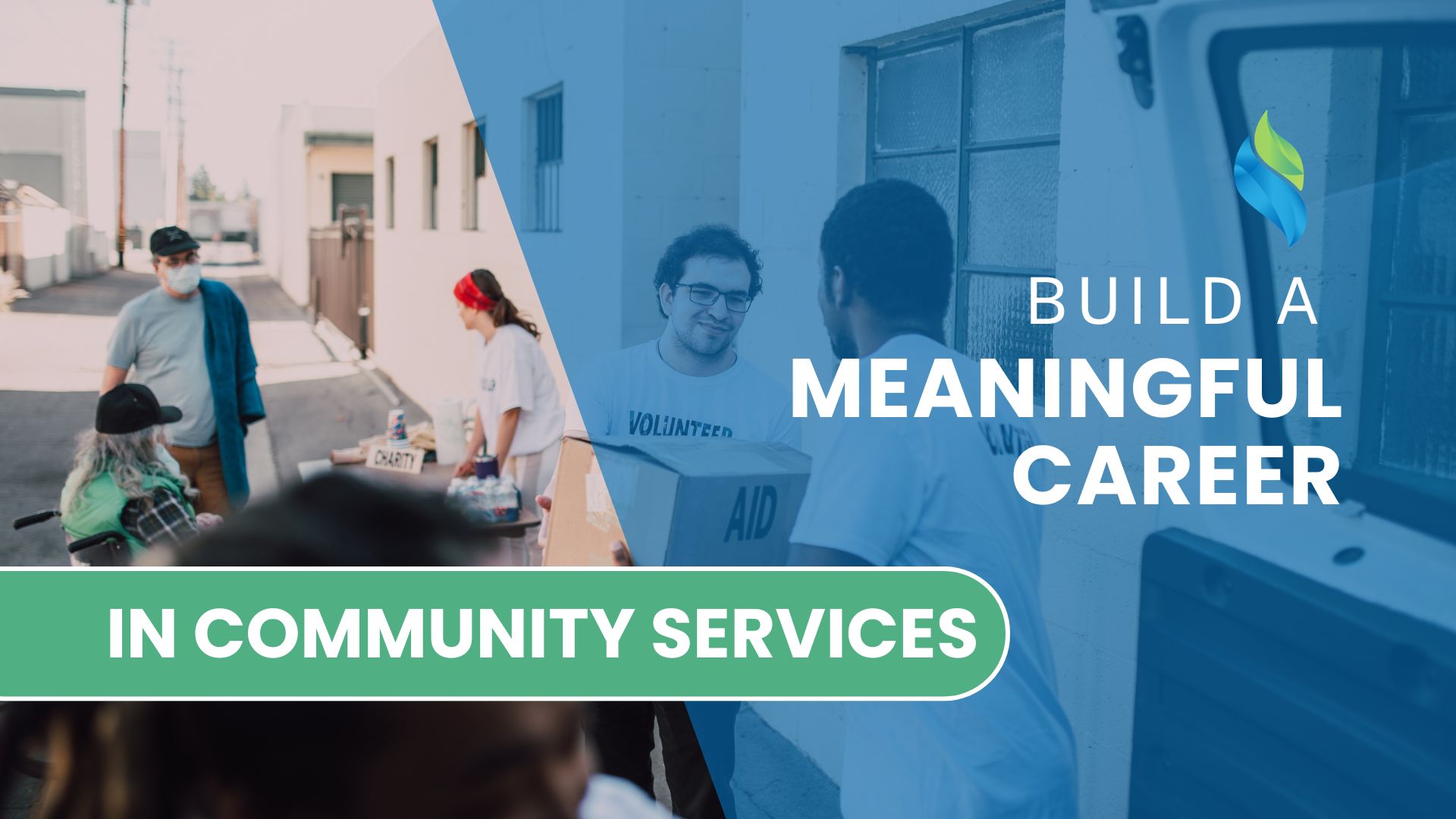
If you want a career where you help young people through some of the hardest moments of their lives, youth work could be the right fit. Youth workers support people aged roughly 12 to 25 with challenges such as homelessness, family conflict, mental health, education and employment.
To become a youth worker in Australia, you typically need a relevant qualification in youth work or community services, a Working with Children Check, a National Police Check and practical experience gained through placement or volunteering. A Bachelor of Community Services can open doors to senior, case management and leadership roles later in your career.
This guide explains what youth workers do, the qualifications and checks you need, what you can earn and how to plan your career path.
What Does a Youth Worker Do?
A youth worker helps young people, individually or in groups, to work through social, emotional and financial problems, as described by Jobs and Skills Australia. Day to day, the role usually involves:
Assessing a young person’s needs and the challenges they face
Planning and running support, education and training programs
Monitoring progress and keeping case notes and reports
Referring young people to other services, such as housing, health or legal support
Advocating for young people with schools, families and government agencies
No two days look the same. One morning you might run a group session at a youth centre, and that afternoon you might help a young person apply for stable housing or return to study.
Where Do Youth Workers Work?
Youth workers are employed by community organisations, local councils, state government departments, schools and health services. The Victorian Skills Authority notes they may work in youth centres, community facilities or offices, either one on one or with groups.
Common settings include:
Youth and community centres
Homelessness and housing support services
Residential care and out-of-home care
Youth justice programs
Schools and education re-engagement programs
Mental health and alcohol and other drug services
Multicultural and refugee support services
Outreach programs that meet young people where they are
The setting you choose shapes your daily work, your hours and sometimes your pay. Residential and youth justice roles often involve shift work, while council and school-based roles are more likely to follow standard business hours.
Skills and Qualities You Need to Be a Youth Worker
The best youth workers combine personal qualities with professional skills. Employers typically look for:
Empathy and patience: many young people you support have experienced trauma or instability, so trust takes time to build.
Communication: you need to connect with young people, families, teachers and other professionals, often in the same day.
Boundaries and resilience: the work can be emotionally demanding, so knowing how to look after your own wellbeing matters.
Cultural awareness: you will work with young people from many backgrounds, including Aboriginal and Torres Strait Islander and migrant communities.
Problem solving: no two cases are the same, and you will often need to find practical solutions quickly.
Case management and documentation: accurate notes and reports are a core part of professional practice.
You can build many of these skills through study, placement and volunteering before you enter the workforce.
How to Become a Youth Worker in Australia: Step by Step
Decide if youth work suits you. Volunteer with a youth program, sporting club or community organisation to see what working with young people is really like.
Choose your qualification. Pick a Certificate IV, Diploma or Bachelor degree depending on your career goals, how much time you have and the level of role you want to reach.
Complete your checks. Apply for a Working with Children Check and a National Police Check. Some roles also require NDIS worker screening.
Gain practical experience. Complete your study placement, and keep volunteering or working in support roles to build your experience.
Apply for youth work roles. Look for entry-level positions such as youth support worker, youth officer or residential youth worker, then build towards case management and senior roles.
Keep learning. Short courses in trauma-informed practice, mental health first aid and crisis intervention help you specialise and progress.
Youth Worker Qualifications: Certificate IV, Diploma or Bachelor?
Qualification
Typical study length
Roles it can lead to
Best suited to
Certificate IV in Youth Work
Around 6 to 12 months (varies by provider)
Entry-level youth support and residential roles
People who want to enter the workforce quickly
Diploma of Youth Work or Diploma of Community Services
Around 12 to 18 months (varies by provider)
Youth worker, case worker and program support roles
People who want broader skills and more responsibility
Case manager, senior practitioner, program coordinator, team leader and policy roles
People aiming for leadership, specialist or long-term career growth
The youth work workforce is well qualified. Census data published by Jobs and Skills Australia shows 23.7% of youth workers hold a bachelor degree as their highest qualification and another 7.3% hold a postgraduate qualification.
Already completed a Diploma of Community Services? You may be eligible for credit towards a bachelor degree, which can shorten your study time. Contact our admissions team to receive a clear assessment of your individual circumstances and credit transfer options.
Checks and Clearances You Need
Because youth workers work closely with young people, employers and placement providers require safety checks before you start. In Victoria, these usually include:
Working with Children Check: required for child-related work. Apply through the Victorian Government.
National Police Check: available through Victoria Police or an accredited provider.
NDIS Worker Screening Check: required for some roles supporting young people with disability through NDIS-funded services.
Many employers also ask for a current first aid certificate and a driver’s licence, especially for outreach roles. Requirements differ between states and employers, so always check the details for the role you are applying for.
Youth Worker Salary and Job Outlook in Australia
The median youth worker salary in Australia is around $83,000 a year, according to EmploymentHero data updated in October 2026. Figures are base salary only and exclude superannuation and penalty rates.
Career stage
Typical base salary (AUD per year)
Entry level
$71,000
Mid level
$82,000
Senior level
$95,000
Pay varies by location and setting. The same data puts the Melbourne median at $74,000, while residential care and youth justice roles often pay more because of shift loadings and the complexity of the work.
Demand for the wider workforce is growing. The Victorian Skills Authority projects 5,783 new welfare support workers will be needed in Victoria by 2034, a group that includes youth workers. Nationally, around 16,200 people work as youth workers, based on 2021 Census data from Jobs and Skills Australia.
Career Progression for Youth Workers
Youth work is often the starting point for a long career in community services. A typical progression looks like this:
Youth support worker or residential youth worker: entry-level, hands-on support roles.
Youth worker or youth case worker: managing your own caseload and running programs.
Case manager or senior practitioner: handling complex cases and supporting less experienced staff.
Team leader or program coordinator: leading teams, managing budgets and designing services.
Service manager or policy officer: shaping programs and policy at an organisational or government level.
Many youth workers also specialise in areas such as youth justice, alcohol and other drugs, mental health, child protection or family violence. A bachelor degree gives you the broader knowledge in case management, ethics, policy and leadership that employers look for in these senior roles. It can also lead to postgraduate study, such as a Master of Social Work.
Start Your Youth Work Career with a Bachelor of Community Services at LHE
The Bachelor of Community Services at Laurus Higher Education prepares you to work as a community services practitioner, caseworker or manager, with the skills to support young people, families and communities.
400 hours of hands-on placement in the community services sector, so you graduate with real experience
TEQSA-accredited degree (CRICOS 118295M), recognised across Australia
Melbourne CBD campus on Flinders Lane, close to Flinders Street Station
Credit transfer pathway for graduates of the Diploma of Community Services
Can I become a youth worker without a qualification?
Some entry-level and casual roles accept people without formal qualifications, especially those with volunteering or lived experience. However, most employers prefer a qualification in youth work or community services, and it is usually required for case management and senior roles.
How long does it take to become a youth worker?
It depends on the qualification. A Certificate IV can take around 6 to 12 months, a Diploma around 12 to 18 months, and a Bachelor of Community Services 3 years full-time. Credit for previous study can shorten a degree.
Do I need a degree to be a youth worker?
A degree is not always required for entry-level roles. It becomes more valuable as you move into case management, specialist practice, team leadership and policy work.
How much does a youth worker earn in Australia?
Employment Hero data puts the national median at around $83,000 a year in base salary, ranging from about $71,000 at entry level to $95,000 at senior level.
Is youth work a good career?
Youth work suits people who want meaningful work and a career with room to grow. It can be emotionally demanding, so strong boundaries and good professional support are important.
Can international students study to become a youth worker in Australia?
Yes. International students can study a CRICOS-registered course such as the Bachelor of Community Services at LHE. Check the course page for entry and English language requirements.